I grew up in a two-story house with floor-to-roof picture windows on one side. Thankfully that side faced the woods, or anything in our house that didn’t take place in a bedroom or bathroom would have been visible to anyone who happened down our road. Nonetheless, it still gave me the feeling of living in a fishbowl. There was a two-track trail about twenty-five yards or so back, and occasionally a nondescript white van or white truck would slowly drive down it and past our giant windows. In those days, utility vehicles didn’t necessarily have logos or information on them. They just looked like vehicles. There were two small utility sheds on the two track about forty yards or so down the trail from our house, and I was told the vehicles were driven by utility workers headed to the sheds to do regular maintenance. There were occasionally walkers and runners and snowmobilers that passed by on the trail too. It wasn’t heavily used, but I noticed them all and watched to see if they were looking in at us.

At some point in my childhood, maybe around third grade, I started to become a very self conscious child. I felt deeply misunderstood and criticized by my family, friends, and classmates. I was made to feel that I was wrong–in what I said and did, in how I behaved and thought–and that I needed to correct myself. After what felt like many failures, I developed a strategy and even a total mindset shift–that I can see now was influenced by the fishbowl-like nature of my house. I began to pretend that someone was watching me. Always. Whether I was with people or alone–but especially when I was alone–a presence of some kind was watching me. They would see if my performance slipped. They would see if I acted strangely. The watcher was an observational but also evaluative presence. I felt I needed a watcher to remind myself at all times that my instinctual way of behaving was something I needed to overcome, outgrow. And the watcher’s presence kept me “honest,” kept me focused on transforming myself moment by moment into a normal person. But the watcher wasn’t one of my parents or friends–this, now, seems key. I would never actually encounter the watcher and receive their feedback directly. Instead I would see myself through their eyes and know the feedback inside. I would take judgment supposedly external and internalize it, so that it didn’t feel like painful, embarrassing external criticism. It felt more like consensual self-transformation.
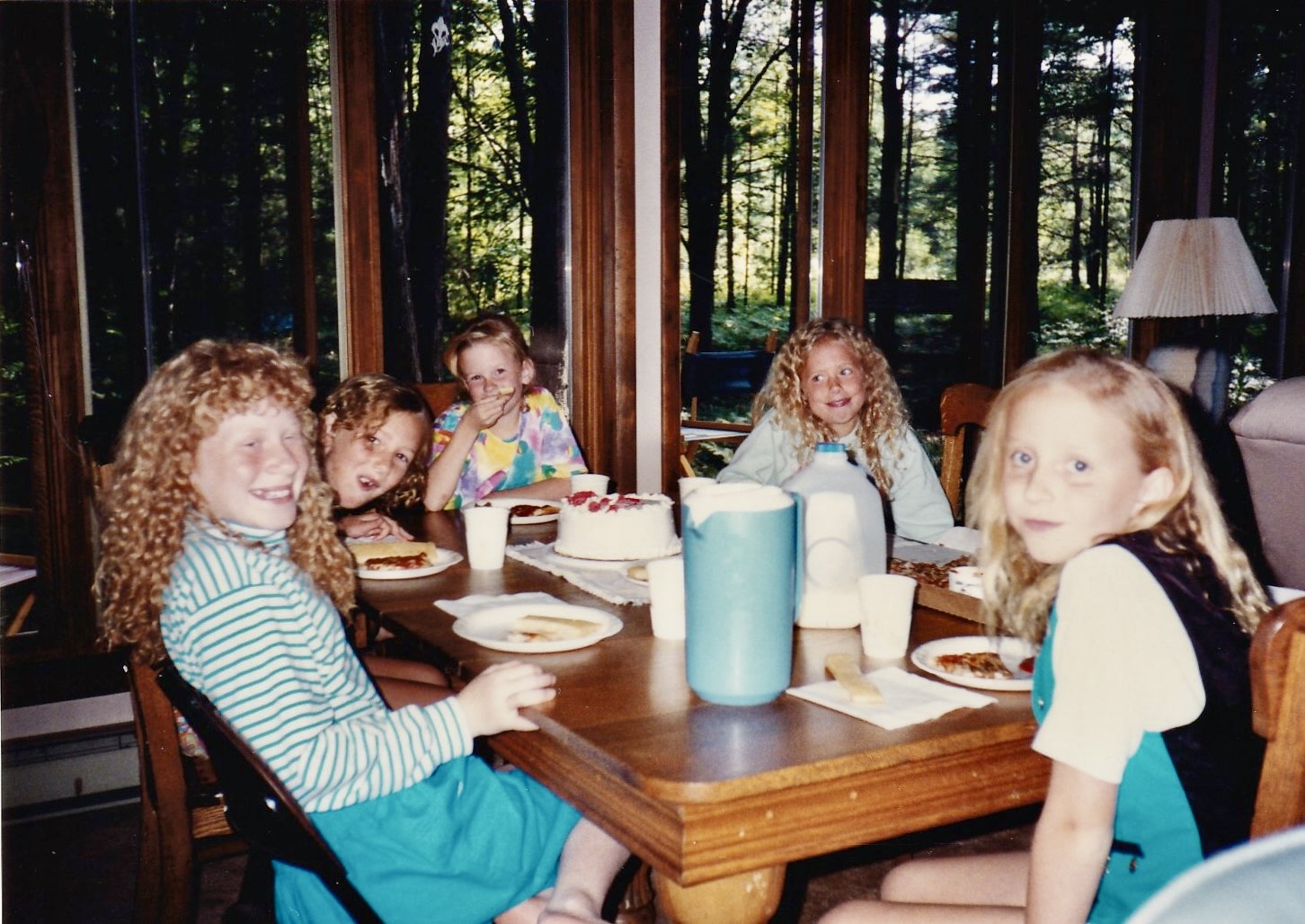
If this sounds kinda creepy, well yeah it was. The watcher was the creation of a self-conscious, scared, lonely, imaginative kid. I needed the watcher to be a little creepy, to remind me what the stakes were. This was not a game. I had to become normal. But the watcher wasn’t only creepy or scary. The watcher was also comforting. At times the watcher was the only constant and engaged presence I felt in my life. My parents were busy, distant. My sister was three years younger than me. My friends were so different from me. The watcher understood me, was the only one trying to help me. Or at least, it was the kind of help I imagined that I needed. And it was a presence that became total: I felt like/imagined I was being watched every moment of every day: when I got ready for school, when I walked to the bus stop, while I rode the bus, during the school day, on the bus ride home, in the store, at the pool, in the woods playing, on vacation, eating dinner with my family, while I got ready for bed, while I tried to fall asleep. The observing presence was always there, motivating my performance. “Remember,” I would always think, “you are being watched.”
(While I don’t know a lot about child developmental psychology, I know enough to know that I am describing my own experience with a common developmental stage here. Just for the record. Some readers may have experienced something very similar, while others may not have. Oh, and if all of this makes you think of Foucault–yeah, that’s not lost on me either.)
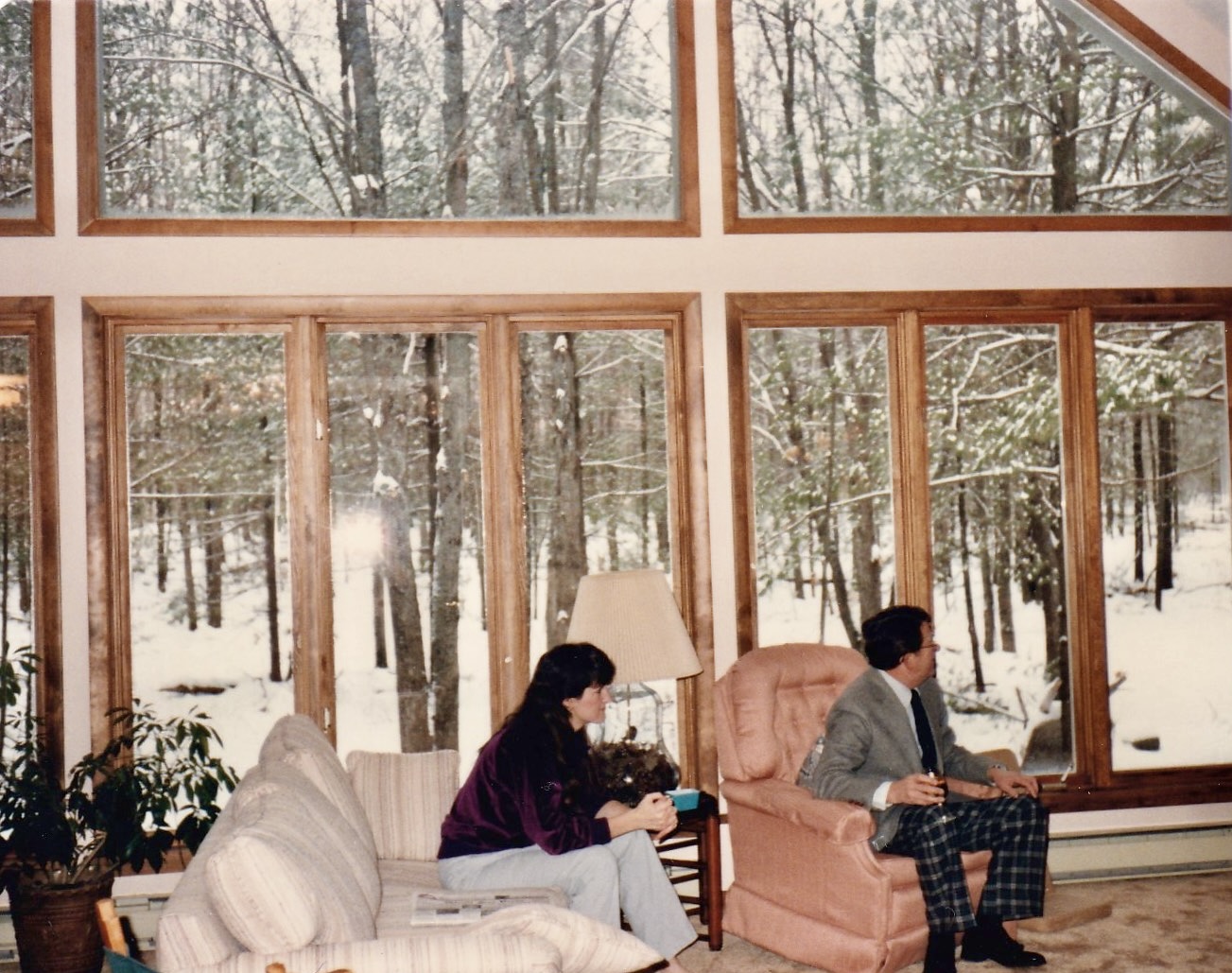
As I grew up the watcher evolved. As my girl friends became interested in boys, and I wanted to keep up with them, and wanted to be liked by boys, the watcher developed more of a male gender–instead of the relatively genderless presence it had been before. I turned it into a presence that was interested in me “in that way”: as long as I acted a certain way, paid attention to my hair, learned how to hold my face in expressions that I thought were “attractive,” move my body more gracefully, dress and pose as if someone who might be interested in me was constantly watching. This was all an attempt to deeply engrain these behaviors and habits in me so that they became natural, so that I became an attractive and likeable person who didn’t have to try, perform anymore. And as I became interested in certain boys, the watcher became those boys. Or it was a boy I didn’t know yet who was obsessively watching me, in a way that was exciting and romantic instead of creepy.
Because our house was fairly remote, we didn’t always lock the doors. And in the summer we slept with all the windows and the back door open. I would lay awake on those summer nights hearing every rustle of dead leaves on the forest floor, hearing every twig snap and every insect fly past or bump against my window screen. I would imagine that I heard the back screen door slowly sliding along its track and someone entering the house. I could hear their soft, careful footfalls as they crossed the living room toward the staircase, and climbed the stairs to my upstairs bedroom. I could even look over to the doorway on my left and see a shadow hovering, lurking just outside my room at the top of the stairs. I would be filled with terror that my watcher was finally here to kill me. I had been wrong about him all along, and now I was going to learn that he had been biding his time, waiting to strike, and it was now. Now my watcher was going to kill me. But the longer I lay there waiting, watching the shadow in the doorway, the safer I felt. I became assured that no, he wasn’t going to hurt me. He just wanted to be closer. And I would fall asleep.
I took my watcher to college with me. I continued to feel a constant observing presence as I became an independent adult, taking classes, walking or biking around campus, watching free movies in the math building with other students, eating in the dining hall, studying in the library, laying and reading a book under a tree. I think in those years my watcher did start becoming less severe, as classmates and friends came and went and the stakes of “fitting in” eased a bit. Now the watcher was becoming more like an observing presence on the periphery of my awareness, without a strong pedagogical purpose. Don’t get me wrong: it could still be a disappointed or sneering presence exuding criticism of me during and after every embarrassing social situation or personal failure. And it was the rapist waiting in the trees when I found myself walking alone on campus after dark. But more often it was just an unknown-as-yet person I imagined watching me with romantic interest in a class or elsewhere, or an externalized presence helpfully reminding me to act like a normal person during this conversation or this class presentation.

[PhD school, resurgence of watcher during times of social and psychological duress, need]
In my 40s, I still feel my watcher. Maybe I always will–but I hope that I don’t. I know that he (yes, still primarily a gendered “he”) is a key part of the neurotic psychological apparatus that keeps me from overcoming my inhibitions, my self consciousness and self hatred. The reason I am writing about this today is that earlier I was lap swimming at my gym. As you can probably anticipate/understand, I feel my watcher quite strongly at the gym. Like a lot of people, I am extremely self conscious at the gym–and this is something I am really trying to work on lately, because for the first time in my life I have a gym that I really enjoy otherwise. It’s a gorgeous gym, and I can see it becoming a real sanctuary for me–if I can just get over myself. So today I was lap swimming and having a common, everyday realization that I have: that my awareness of the watcher was distracting me from being in my body and enjoying the really pleasant, comforting, and fun experience that I was having. Instead of feeling my body swimming, my attention was focused on the windows above me where the walkers on the indoor track can see the pool. “What does my freestyle look like from above? Is someone up there watching me, evaluating me, criticizing me, laughing at me, noticing that I’m not kicking hard enough, thinking that my arms aren’t extended enough when my hands enter the water, or that my hands don’t enter the water at just the right angle?” This is how the sensation of the watcher keeps me outside my body, outside my experience, and in a constant state of self judgment and self consciousness. This version of the watcher is not helpful for me.
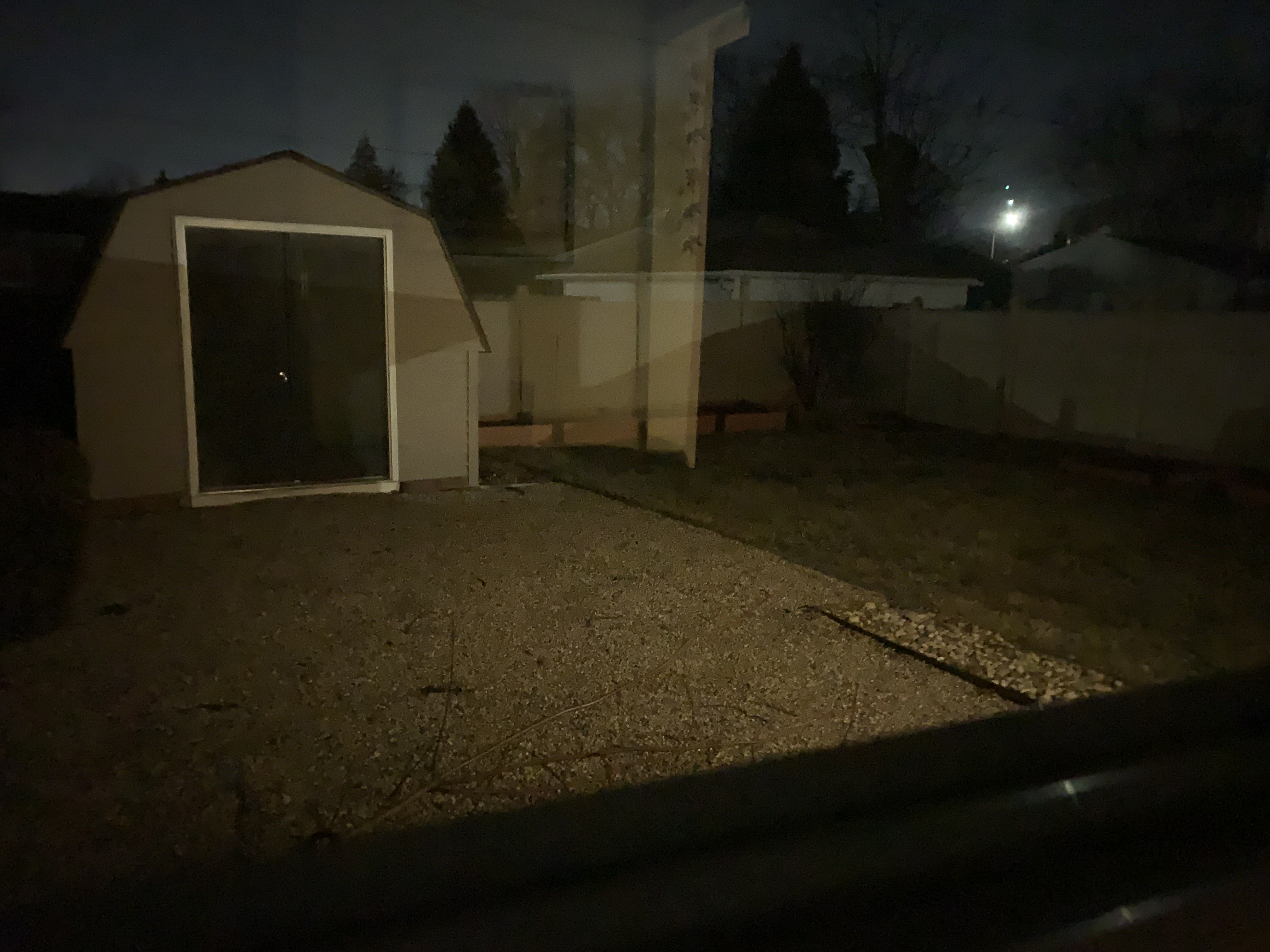
And is there any version of the watcher that is helpful for me, really? I tell myself that it keeps me vigilant in terms of my personal safety–maintaining an awareness throughout the day that someone could be watching me through the windows, tracking my movements and my schedule, and planning to harm me. Sometimes the watcher is a fantasy about someone showing up at my door with a declaration of love, and it comforts me. I am lonely in a sense, but that loneliness is complex. I both do and do not want other people in my life. Part of me wants to be loved by a specific, amazing person, and the other part really wants to be left alone. But I’m never alone. I have my watcher. And sometimes that feels comforting and sometimes it feels stifling, creepy, oppressive. It’s both, ever shifting back and forth. I wish that I could feel blissfully alone when I want to be alone, and feel connected in some way to people when I feel lonely, without turning that feeling into a neurotic manifestation of a watcher.
Because of the way that I grew up, the house I grew up in, I feel most comfortable with a lot of natural light in my house–which means that the windows are all bare of covering during the day, and during the night only a few important ones are covered. I feel oppressed not being able to see out of my windows. But this also means that I am constantly aware of both what I can see outside and what people outside can see inside my house. Sometimes I worry that my childhood home turned me into a bit of an exhibitionist, someone who has a subconscious need to be watched from outside of their home. Someone who really wants to be seen by someone–as long as the observer stays outside, and keeps their feelings to themselves.
[What my attention-seeking behavior became when suppressed; but also sometimes self-care externalized]
 STUDIO